
Explained
Who Makes IC Substrates? The Board Under the AI Chip
Ajinomoto sells the ABF film. Ibiden, Unimicron and Nan Ya PCB sell the board under the AI chip. The stuck step is a qualified high-end substrate.
Explained
Who makes the part and who waits in line — roles only, no BUY lists.
Explained
Ajinomoto sells the ABF film. Ibiden, Unimicron and Nan Ya PCB sell the board under the AI chip. The stuck step is a qualified high-end substrate.
Explained
AI cluster networking is the switch chip, the chassis around it, and the links that let GPUs in one hall act as one machine. The chip is ordered before the chassis is accepted.
Explained
Data center power equipment is made by a small group of industrial firms. GE Vernova had 122 GW of gas equipment booked or reserved in September 2026, and Korea’s HD Hyundai Electric says its slots are full. The factory is the stuck step.
Explained
AI chips are tested by four kinds of company: tester makers, probe card and interface makers, outsourced test houses, and foundries and chip firms with their own floors. Longer tests per chip make tester time the stuck step.
Explained
AI data centers are built by five kinds of company: hyperscalers, private developers, listed landlords, former bitcoin miners and the contractors on site. Contractors are paid as they build; everyone else waits for power-on.

Explained
The neoclouds are specialist GPU clouds. CoreWeave, Nebius, Lambda and peers get paid on live hours; signed TCV is not cash. Nvidia, landlords and lenders are paid first.
Explained
The hyperscalers are the few companies that build and run computing at the largest scale. Four US names spent about $166 billion on capacity in one quarter. Chips, landlords and power get paid first; the buyers wait on power-ready halls.
Explained
AI GPU buyers are the companies that pay for accelerators. Nvidia split $48.7B hyperscale and $40.3B ACIE in the July quarter. Who pays, and where cash sticks.
Explained
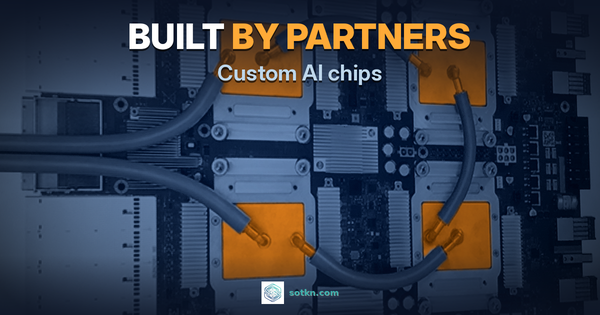
A custom AI chip is designed by the company that will run it, then built with a design partner that turns it into a chip TSMC can make. Broadcom, Marvell, Alchip, GUC and MediaTek do that job. They get paid when chips ship; the owner gets paid only once they run.

Explained
OSAT companies are paid to package and test chips they did not make. For AI accelerators the scarce finish is advanced packaging — ASE, Amkor and JCET on the outsourced side, TSMC CoWoS on the captive side. Packaging slots are the stuck step.
Explained
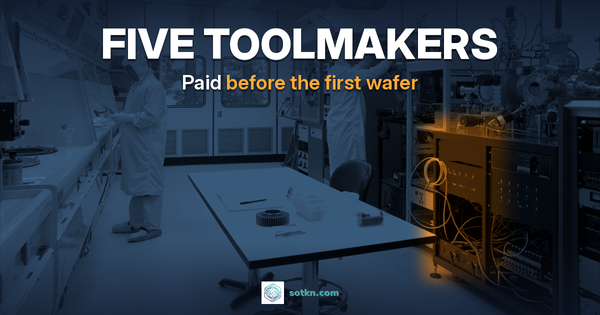
Wafer fab equipment is the set of machines that turn blank silicon into chips. Five toolmakers sell most of it. They are paid before a fab makes its first wafer. The EUV scanner is the tightest tool.
Explained
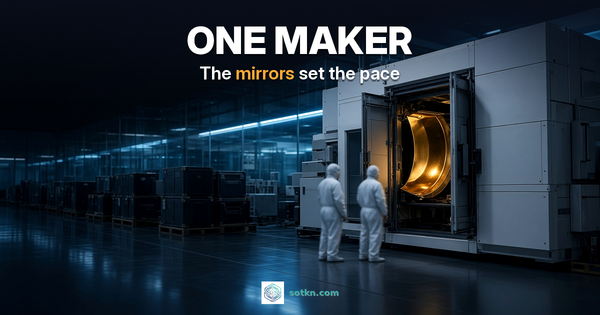
Only one company makes EUV lithography machines: ASML. The roles that matter sit inside the machine: Zeiss makes the mirrors, Trumpf makes the laser, and the optics set how many boxes ship.
A Players Explained page maps roles for one part of the stack: who builds it, who buys it, and who waits. No leaderboard and no BUY or SELL calls.
URL shape: /explained/who-makes-<thing>/. Length target about 1,200–1,600 words.
Pair with Mechanism for how the part works, and Markets for where the capacity sits.