
Explained
What Is Deferred Revenue? Why Prepaid GPU Cash Is Not Yet Earned
Deferred revenue is cash a company has already collected for a service it has not yet delivered. On a GPU cloud, the customer has paid and the cluster is still owed.
Explained
One bottleneck at a time: what it is, who pays, and where money sticks in the AI stack.
Explained
Deferred revenue is cash a company has already collected for a service it has not yet delivered. On a GPU cloud, the customer has paid and the cluster is still owed.
Explained
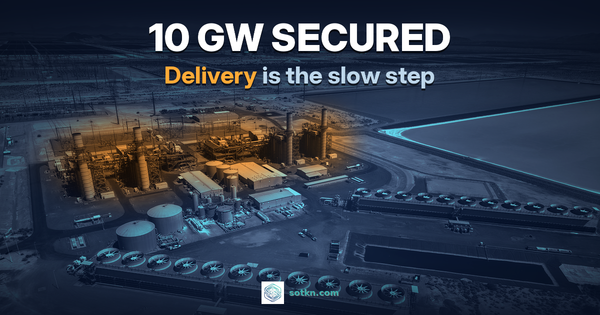
Stargate is OpenAI’s programme for buying AI data center capacity through partners: developers build the halls, Oracle or SB Energy leases or runs them, NVIDIA supplies chips, and OpenAI pays as capacity goes live. More than 10 GW is secured; delivery is the slow step.
Explained
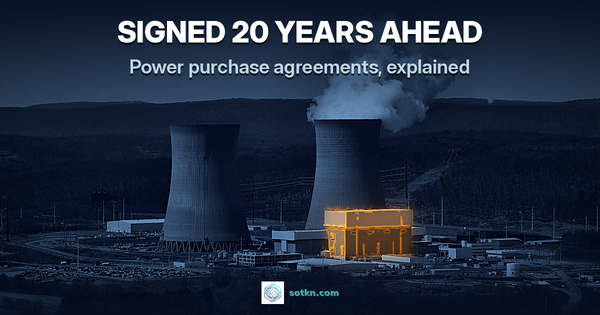
A power purchase agreement is a long-term contract to buy electricity from a specific plant at an agreed price. Hyperscalers now sign about half of the world’s corporate clean power deals, and the scarce thing they are paying for is firm megawatts the grid can deliver.
Explained
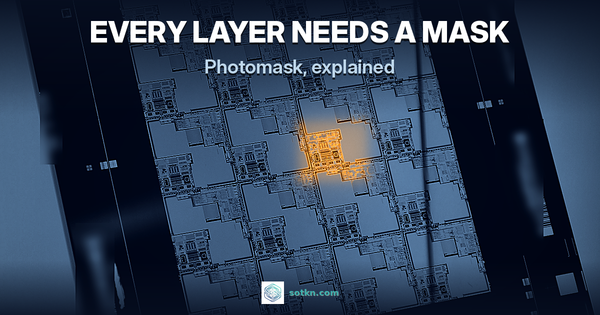
A photomask is the glass plate that carries one layer of a chip’s pattern. Every new design needs a full set before a single wafer prints, and AI chips are pushing the EUV mask, its blank and its inspection to the front of the queue.
Explained
A purchase commitment is a contract to buy servers, power or buildings later. It stays off the balance sheet until the other side delivers, and the big buyers do not count it the same way.
Explained
NVLink is NVIDIA’s link that joins GPUs inside a server or rack so they share memory and act like one large GPU. A Vera Rubin rack links 72 GPUs at 3.6 TB/s each. Hyperscalers building their own chips must rent NVLink, build their own, or wait for open UALink. The switch is the stuck step.
Explained
An HBM base die is the logic chip under a memory stack. It drives the wires to the processor. At HBM4 that die is increasingly a foundry wafer, and that wafer is a second invoice.
Explained
Power reaches an AI chip through a chain of about six steps, from the high-voltage substation to the converters beside the GPU. Each step is a separate purchase with a different seller, and the first step, the substation, is the one sites wait longest for.
Explained
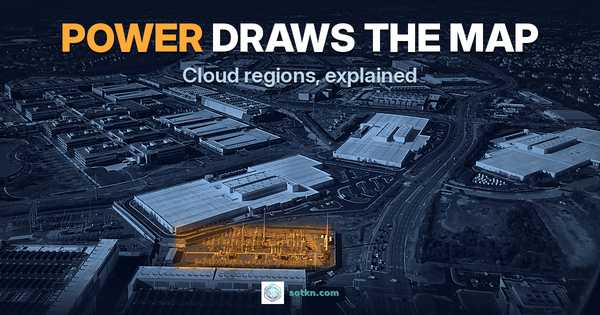
A cloud region is a group of data centres in one area that a cloud provider runs as one location, split into availability zones. New AWS regions have taken about 12 to 33 months from announcement. Power near the metro, not money, sets how far a region can grow.
Explained
GPU cluster acceptance is the customer's sign-off that a rack of GPUs passed the tests in the contract. The monthly fee starts then, and silence during the short test window can count as a yes.
Explained
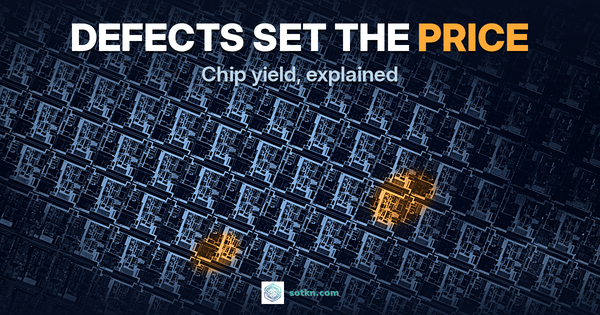
Semiconductor yield is the share of chips on a wafer that work. On a standard model, the same defect rate that costs a phone chip 10% of its output costs a big AI chip more than half. Yield is capacity a fab does not have to build.
Explained
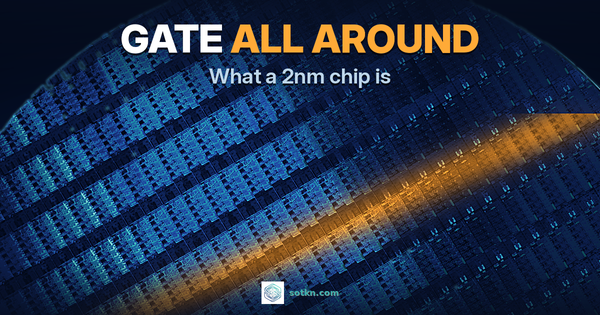
A 2nm chip is built on a foundry's newest process, where the transistor gate wraps all the way around stacked silicon sheets. TSMC's 2nm was 8% of its wafer revenue in the third quarter of 2026; capacity, not the design, is the stuck step.
A Mechanism Explained page teaches one stuck step in the AI stack. It names the part, the buyer, and the cash path — then links to siblings, Wire, and Analysis.
URL shape: /explained/<term>-explained/. Length target about 1,500–2,000 words. This hub lists those pages.
Search demand clusters around plain “what is” questions. Use these doors first:
Browse by layer on The Stack. Compare two terms in Versus. Roles only in Players.