Explained
Speed-to-Power Explained: Why Watts Gate AI Halls
Speed-to-power is the clock from plan to live watts at the rack. Chip news alone misses this gate — and who gets paid when timed megawatts clear.

Explained
Speed-to-power is the clock from plan to live watts at the rack. Chip news alone misses this gate — and who gets paid when timed megawatts clear.
Explained
Data-centre REITs are landlords in the AI stack. They earn when timed power and long leases meet dense GPU demand — not from empty shells.
Explained
Optical networking is the bandwidth layer of an AI cluster. When fibre, modules, and switches lag GPU counts, finished chips sit underused.
Explained
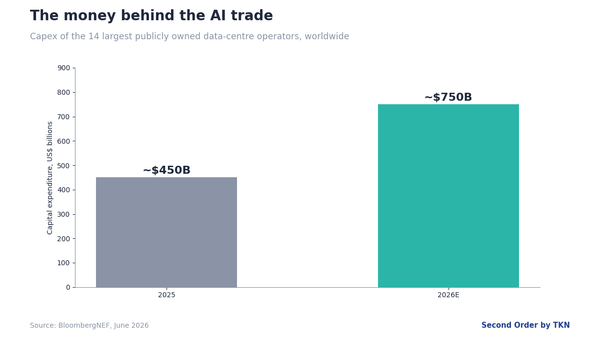
A hyperscaler is a very large cloud company whose capital spending sets demand for the whole AI stack. How that spend flows, and where it lands first.
Explained
HBM is the high-speed memory stacked next to an AI GPU. How it works, how generations differ, who gets paid when it binds, and what would change the view.
Explained
CoWoS packages an AI GPU next to fast memory. When demand rises, scarce packaging slots become the paid bottleneck — and finished dies wait.
Explained
A neocloud is a specialist cloud that leases GPU clusters for AI work. What it is, how it earns, and why utilisation decides everything.
Analysis
Power queues, contracted nuclear and grid equipment are becoming AI's decisive bottleneck. This research maps speed-to-power beneficiaries and access routes for investors.
Wire
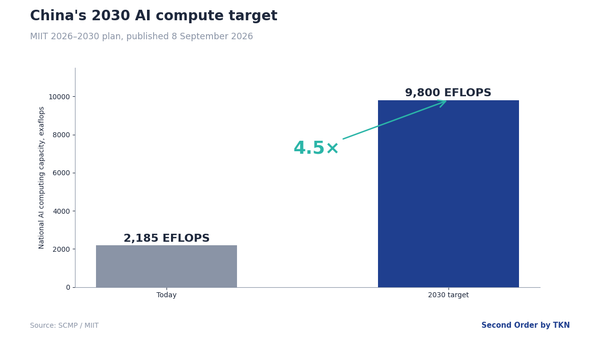
China’s plan to quadruple AI compute shifts the trade toward power, memory, networking and infrastructure suppliers for global investors.
Explained
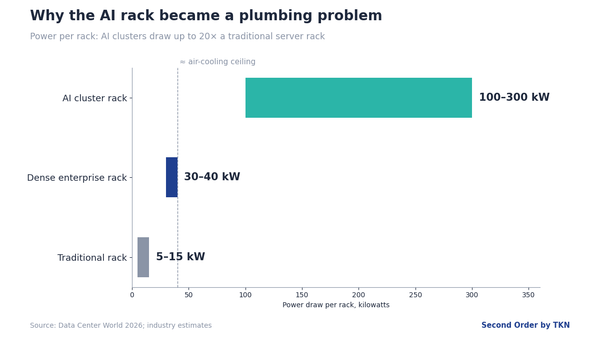
AI rack density is pushing data centres past air cooling. Cold plates, immersion, the CDU gate, and why cooling can cap live GPUs.
Explained
How AI infrastructure layers turn chip demand into second-order opportunities across power, cooling, networks and capital for global investors.